+86-18633235200+86-18633235200
E-Mail: weimeihuanbao@163.com
This wet electrostatic precipitator processes saturated wet flue gas from yellow phosphorus quenched slag tail gas, with a flue gas volume of 60Wm3/h. The normal flue gas temperature is 50 to 55℃, and the maximum temperature is no more than 80℃. The average gas velocity of the flue gas is 2.12m/s, and the pH is between 1 and 5. It contains a small amount of acidic substances such as fluoride, sulfur, and phosphorus, and has strong corrosiveness.

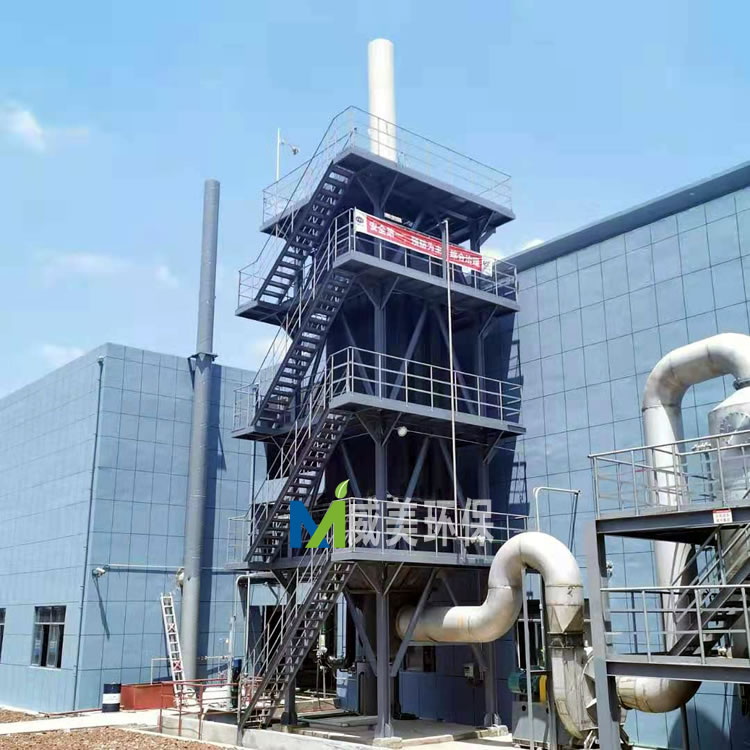
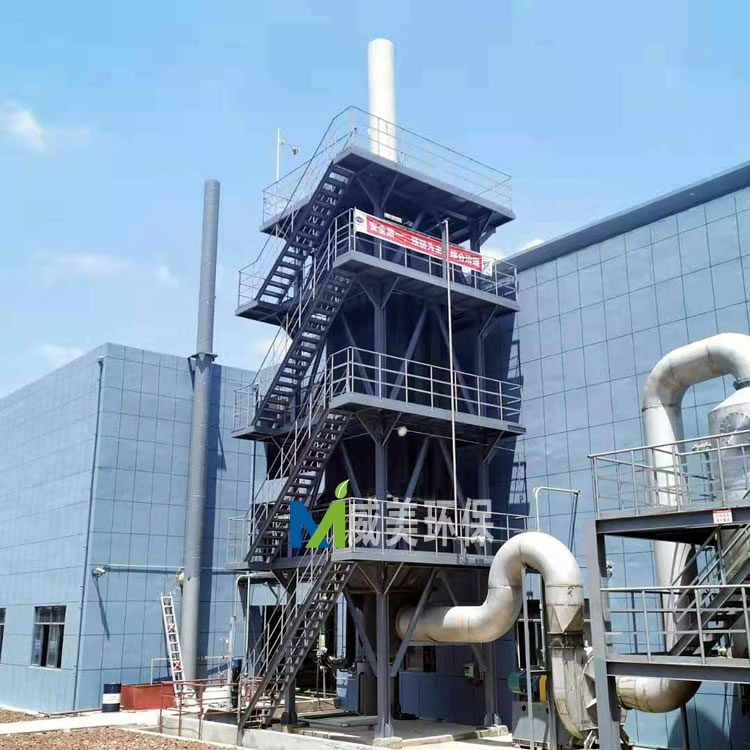
Operation of the Wet Electrostatic Precipitator for Panzhihua Phosphorus Chemical Slag

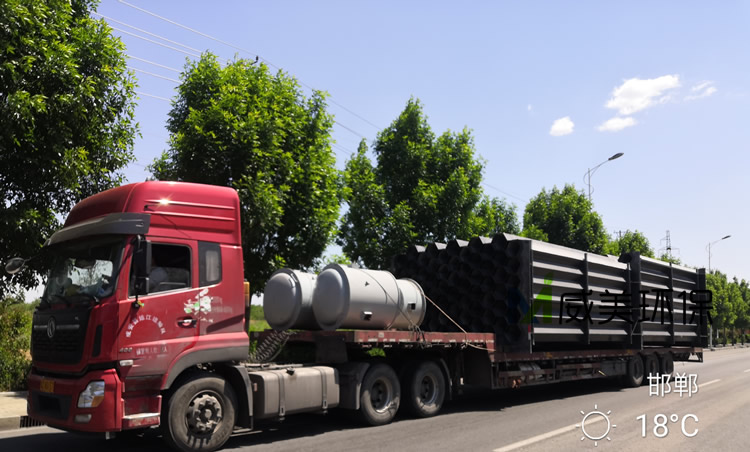
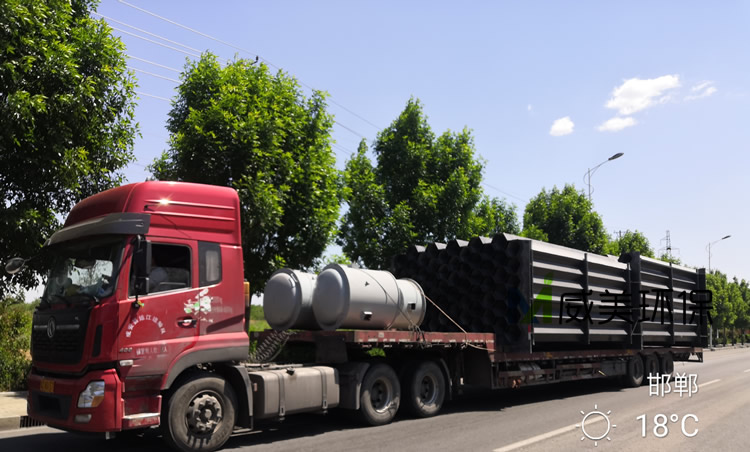
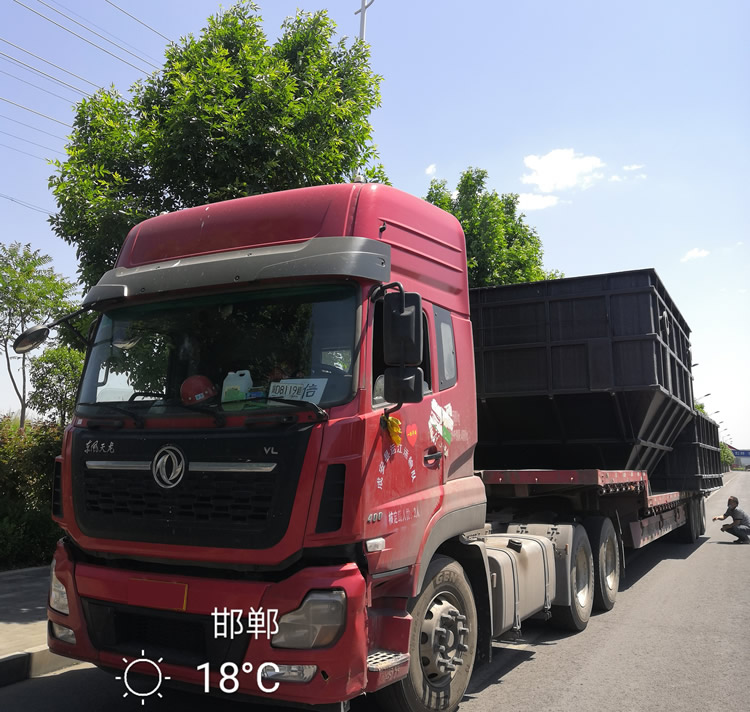
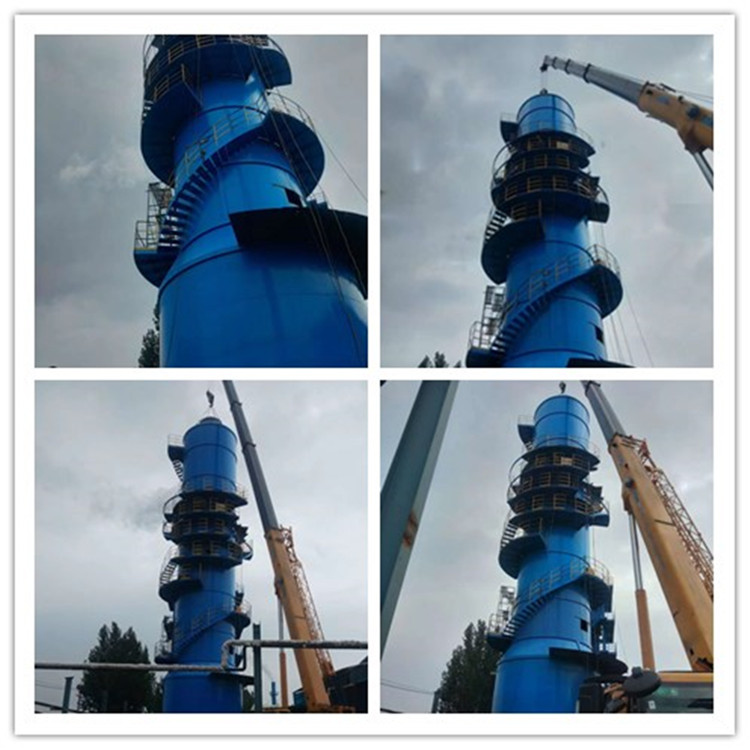
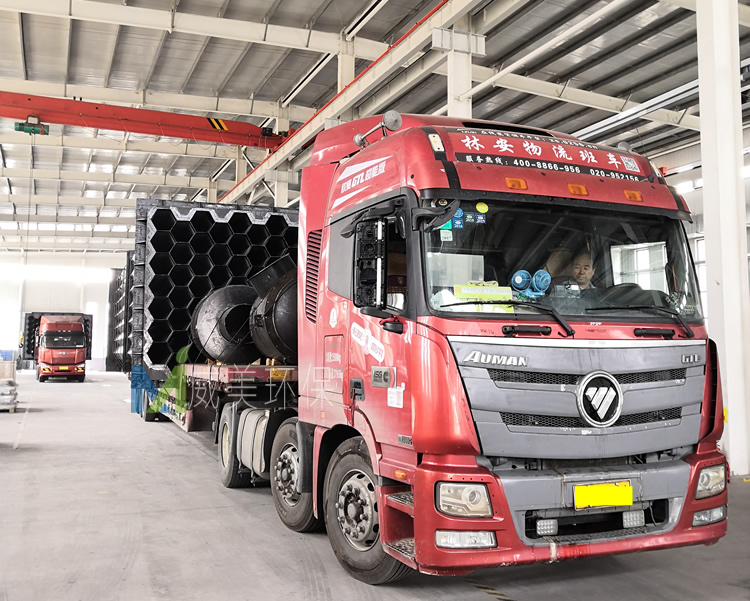
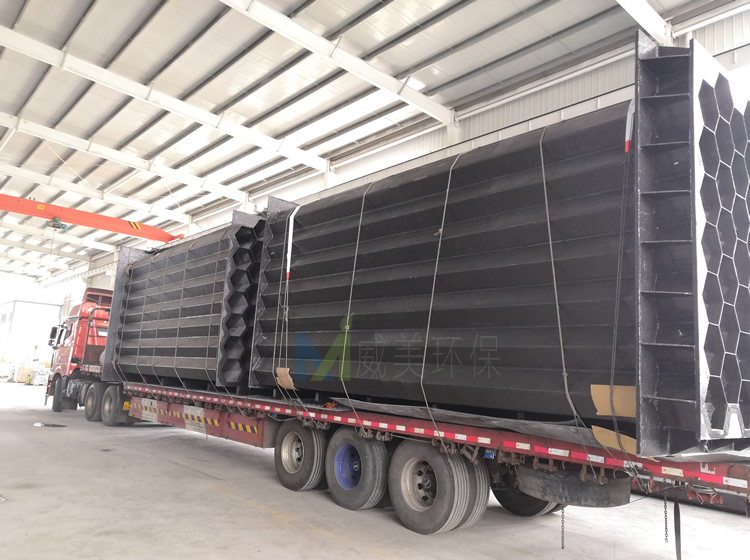
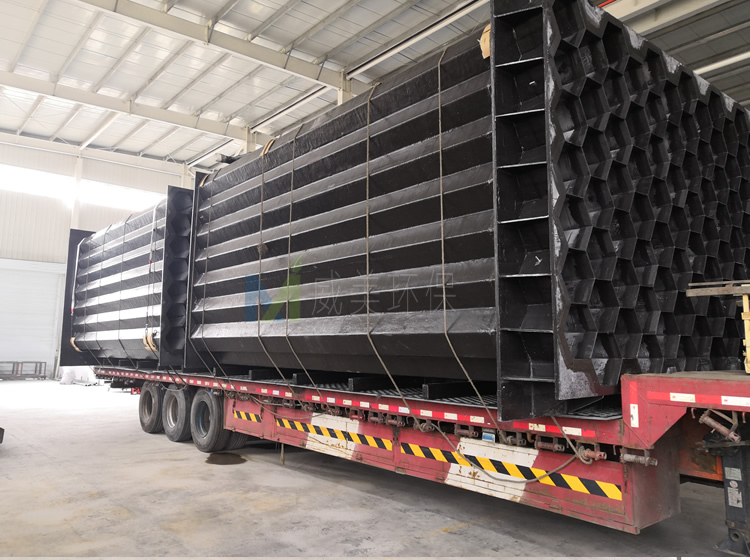
The electrostatic precipitator for tail gas treatment in the cyanuric acid industry is shipped to Shandong. The attached picture shows the shipping site.

Shipment of Wet Electrostatic Precipitator for Tail Gas Treatment in the Cyanuric Acid Industry

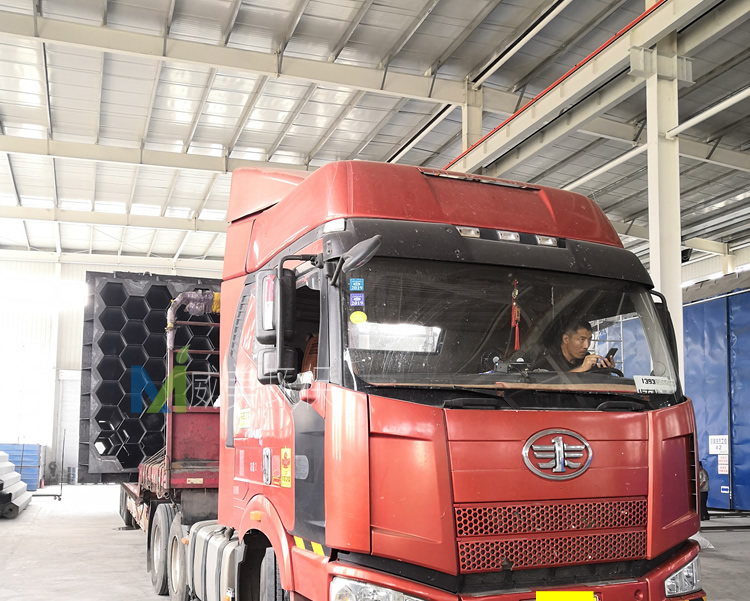
Delivery of the shell of the wet electrostatic precipitator for tail gas treatment in the cyanuric acid industry

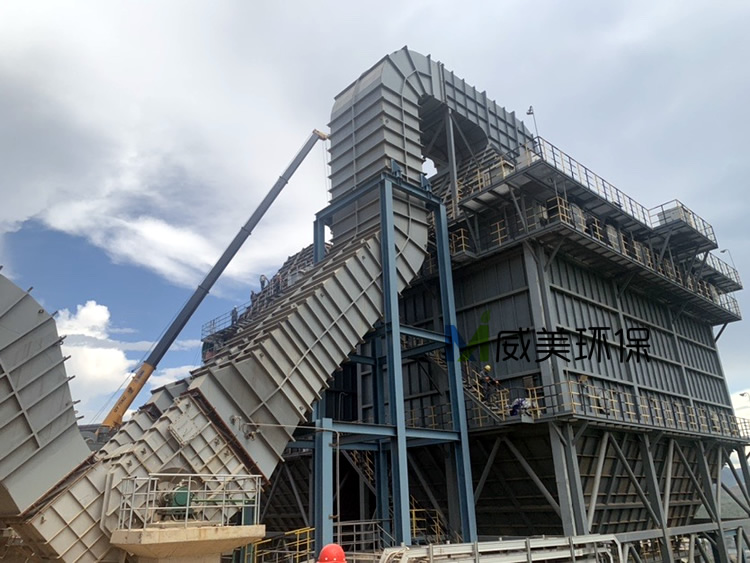
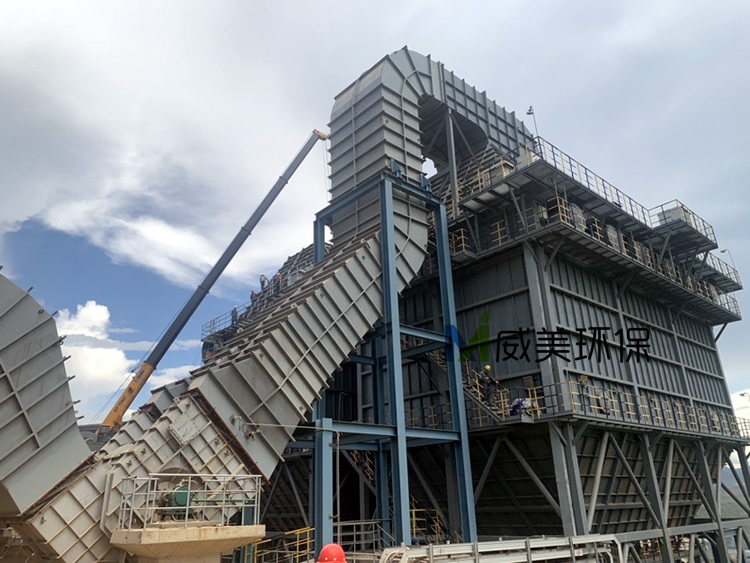
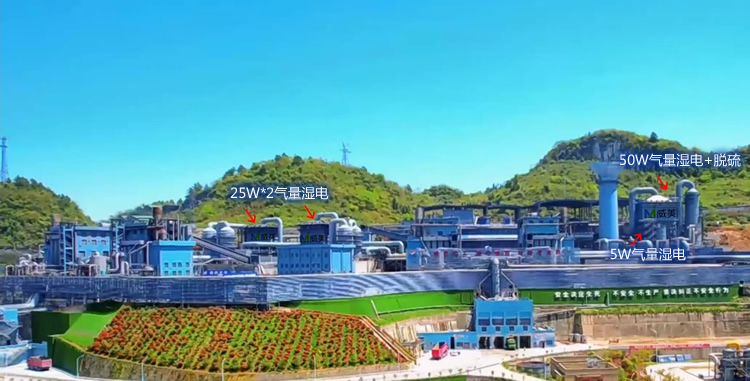
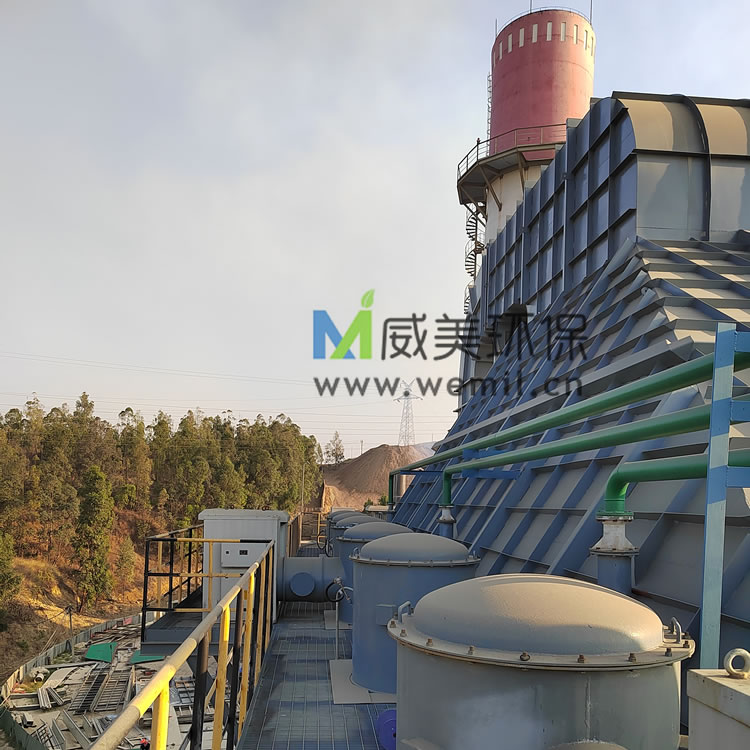
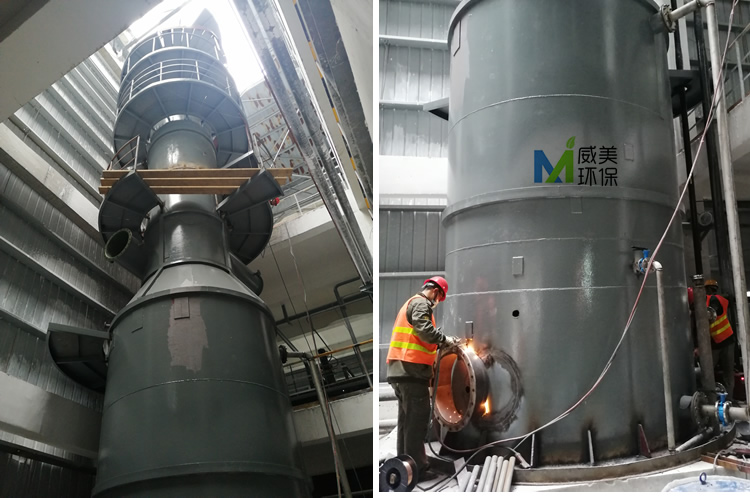
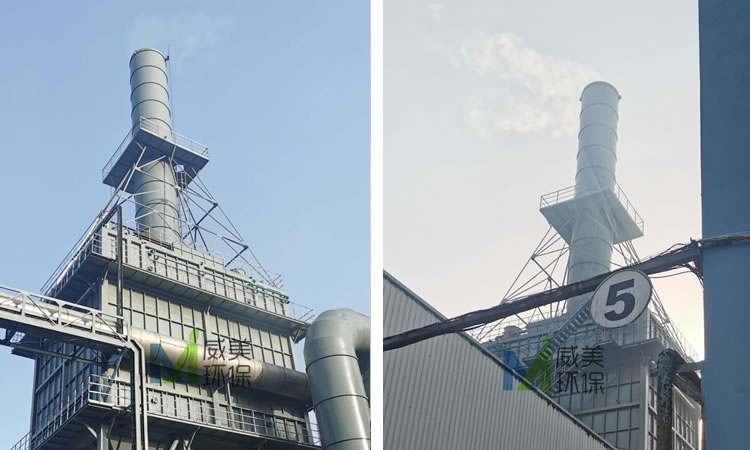
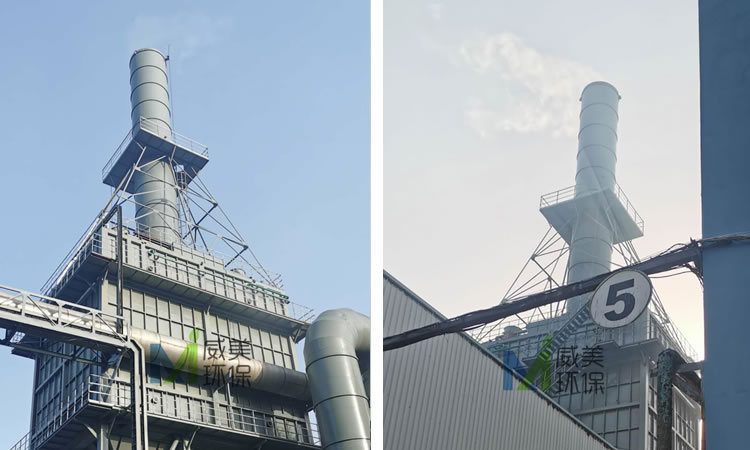
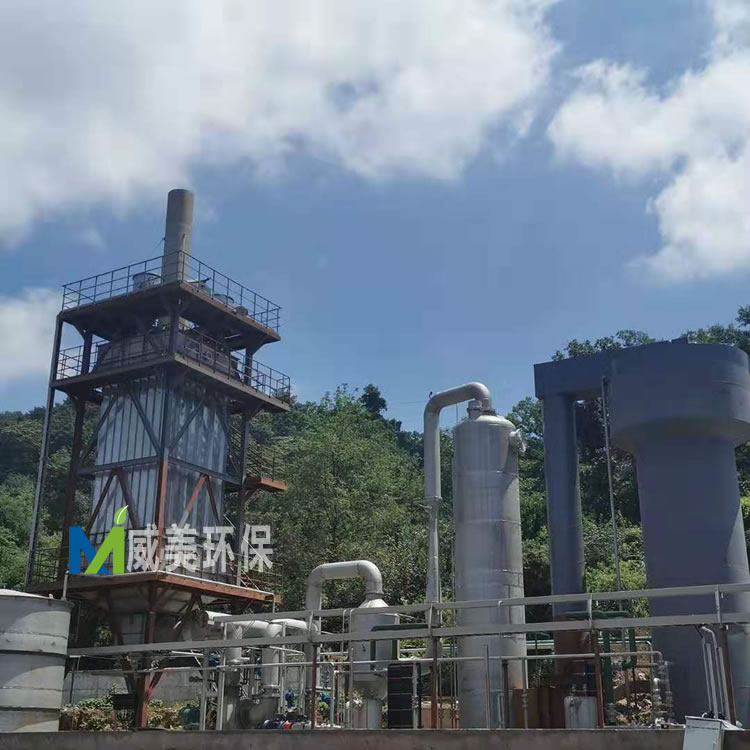
Stepping into the garden-style green factory of the Guizhou customer, four sets of wet electrostatic precipitator equipment designed and manufactured by Hebei Weimei Environmental Protection for phosphochemical tail gas treatment are operating stably here.
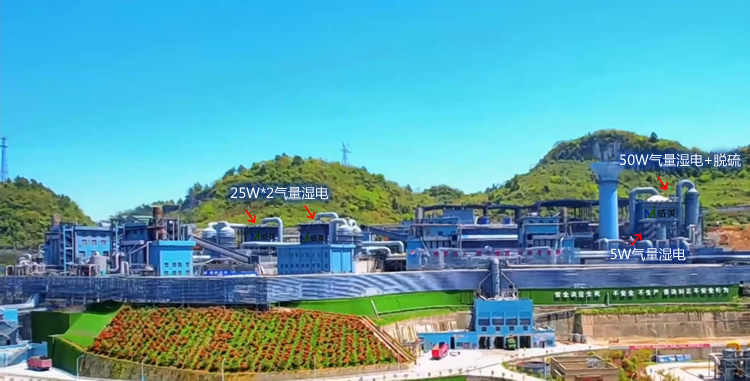
There are four sets of wet electrostatic precipitator equipment for phosphorus chemical tail gas treatment. On the left are two electrostatic precipitator with a capacity of 250,000 m ³ /h and a gas volume of 2. On the right is one wet electrostatic precipitator with a capacity of 500,000 m ³ /h and a desulfurization system. On the south is one electrostatic precipitator with a capacity of 50,000 m ³ /h.
500,000 m ³ /h gas volume:
A certain phosphorus industry company in Guizhou Province carried out deep desulfurization treatment on the terminal flue gas. The desulfurization transformation flue gas volume was 500,000 m ³ /h, with the outlet concentration required to be less than 100mg/Nm3, and the particulate matter less than 75mg/Nm3. The wet electrostatic demister treated the flue gas into desulfurized flue gas and water vapor. The flue gas contained strong corrosive media such as sulfur, phosphorus, arsenic, and fluorine. The working humidity is below 90 degrees Celsius and the working pressure is within 5000KPa.
250,000 m ³ /h gas volume:
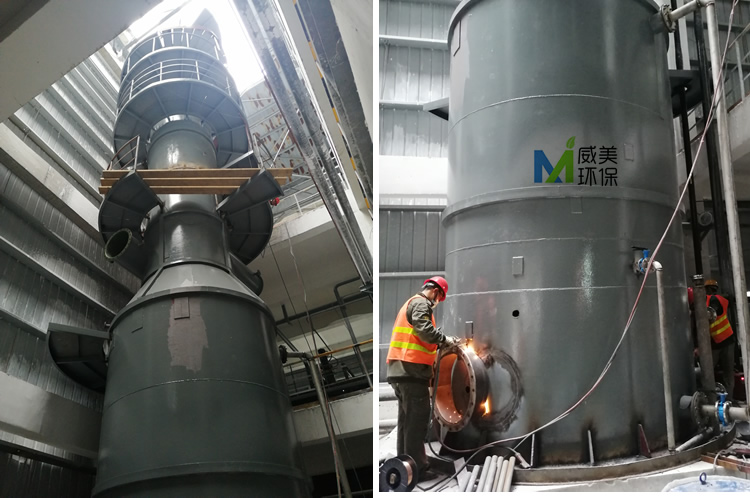
Phase II Project of Technical Transformation for Clean Production of Yellow Phosphorus. The gas handling capacity of this electric demister is 250,000 m³/h, with the flue gas temperature below 85°C. The air inlet and outlet of the demister are arranged in a bottom-in and top-out manner. After the equipment is completed, the weight of the steel frame ladder platform of a single unit is approximately 98 tons, the weight of internal components and insulation system of the equipment is approximately 102 tons, and the total weight of a single unit is approximately 200 tons (excluding the inlet and outlet flues).

Hebei Weimei Environmental Protection focuses on the field of in-depth flue gas pollution treatment, and is committed to the manufacturing and maintenance services of complete sets of equipment such as wet electrostatic precipitators, electrostatic demisters, desulfurization and dust removal systems, as well as accessories for dust and mist removal systems.
The insulation temperature-controlled box of wet electrostatic precipitators can adopt two methods—electric heating and hot air purging—to ensure the insulation performance of the insulator chamber. The electric heating method is widely used due to its extremely low or zero air leakage rate; especially for systems with low SO₂ concentration, this method is the only available option. The hot air purging method is suitable for occasions with high SO₂ concentration and sufficient surplus capacity.

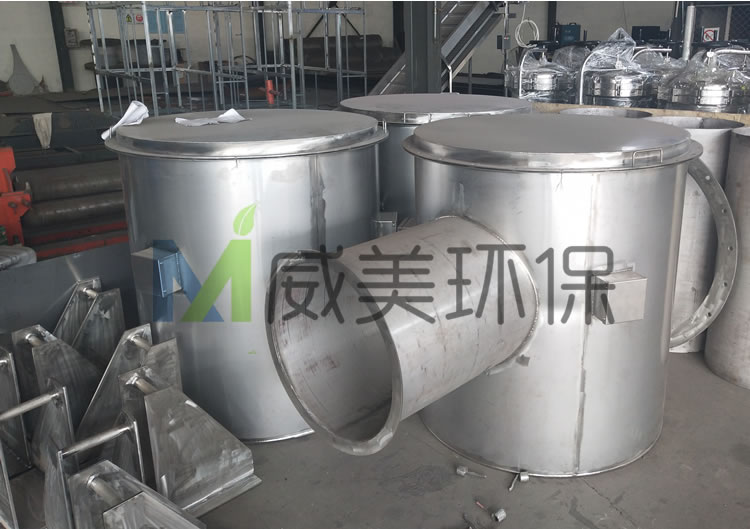
316L Stainless Steel Insulation Box for wet electrostatic precipitators
The insulation box plays the role of insulating the high-voltage electric field from the equipment; it maintains a certain temperature to prevent the condensation of moisture in the flue gas on the porcelain bushing at low temperatures, which would otherwise cause flashover.

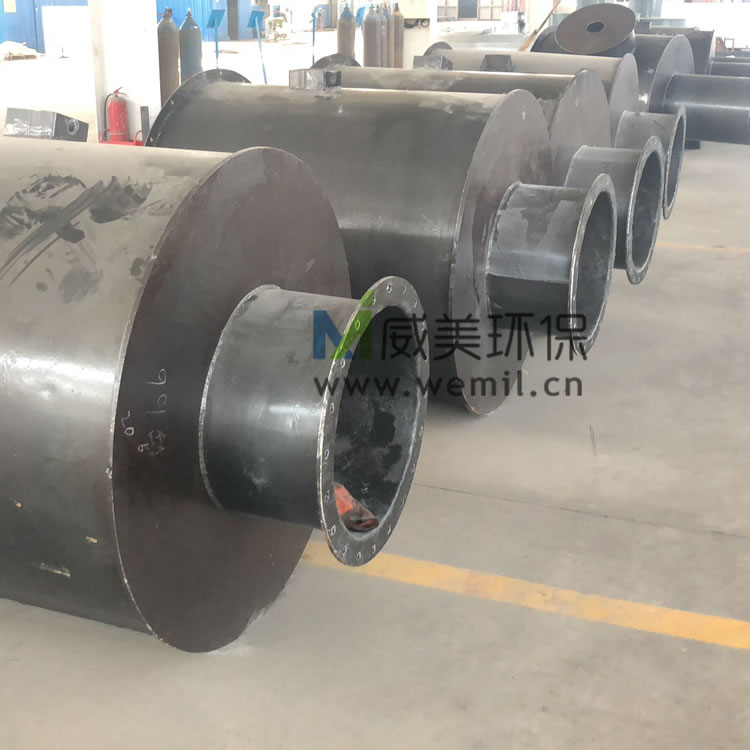
Hebei Weimei Insulation Box for Wet Electrostatic Precipitator

Insulation Box of Wet Electrostatic Precipitator in Operation for the Phosphorus Chemical Industry Waste Gas Treatment Project

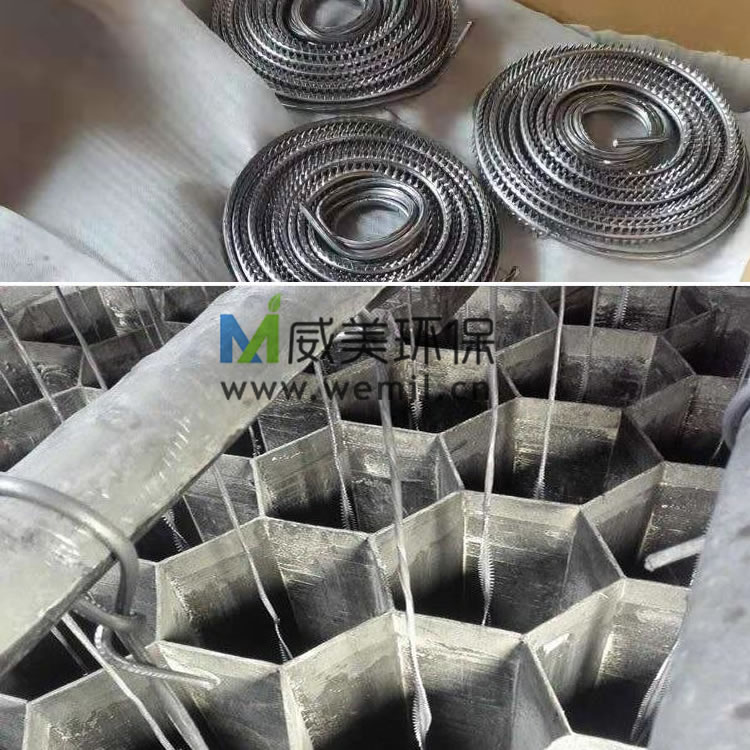
In the actual operation of a wet electrostatic precipitator (WESP), the cathode wires operate in a harsh working environment. If the electrode wires break, it may cause electrode short-circuiting, which in turn forces the entire electric field to shut down and lose its dust removal capability. According to the on-site gas conditions, we will select the corresponding cathode wires, among which the most commonly used ones are lead electrode wires and 2205 stainless steel cathode wires.

Causes and Solutions for Severe Corrosion and Fracture of Cathode Wires in Wet Electrostatic Precipitators
The following phenomena will occur when cathode wires break:
Causes for Cathode Wire Fracture in Wet Electrostatic Precipitators:
Solutions for Cathode Wire Fracture in Wet Electrostatic Precipitators:
Hebei Weimei Environmental Protection Co., Ltd. is a manufacturer specializing in the design and production of wet electrostatic precipitators and flue gas desulfurization equipment. We also undertake maintenance and renovation projects for wet electrostatic precipitators and flue gas desulfurization equipment. Inquiries are welcome.

Wet desulfurization construction site using limestone/gypsum method

Wet desulfurization construction site using limestone/gypsum method

Hubei Wet Desulfurization Construction Site

The flue gas of this wet electrostatic precipitator consists of desulfurized flue gas and water vapor from yellow phosphorus quenching slag, and the flue gas contains highly corrosive media such as sulfur, phosphorus, arsenic, and fluorine.

yellow phosphorus quenched slag water vapor wet electrostatic precipitator operating up to standard
The body and inner wall of this wet electrostatic precipitator must meet the anti-corrosion requirements in a strong acid environment. The anode tube material is a conductive fiberglass reinforced plastic anode tube with a wall thickness of no less than 3mm. The resin should be vinyl ester flame-retardant resin, and the inner surface should be smooth, clean and easy to clean. The resistance of each anode tube is less than 100Ω. The cathode wire material is 2205 duplex steel, and the design flow rate is ≤0.82m/s.
The flue gas treated by this wet electrostatic precipitator is the desulfurized flue gas and the water vapor from yellow phosphorus quenching slag. The flue gas contains highly corrosive media such as sulfur, phosphorus, arsenic, and fluorine. The flue gas volume is 200,000 m³/h, the flue gas temperature is ≤ 90°C, and the designed flow rate of the wet electrostatic precipitator is ≤ 0.82 m/s. It is required that the wet electrostatic precipitator should basically have no emission of blue flue gas and white flue gas in the high-temperature environment in summer; in the low ambient temperature environment in winter, there should be no obvious emission of blue flue gas, and the trailing of white flue gas should be controlled within 20 meters.


The wet electrostatic precipitator designed and manufactured by Hebei Weimei Environmental Protection Equipment Technology Co., Ltd. is used to treat hypophosphite reaction tail gas with a gas volume of 40,000 m³/h. For this equipment, components including the lower air chamber, ash accumulation chamber, upper air chamber, stainless steel anode tube, internal spray pipe, and air distribution plate are made of 316L stainless steel. The thickness of the air chamber is 4 mm, and the external reinforcing plate of the air chamber is made of 304 stainless steel. The thickness of the anode tube is 1.5 mm.
This electrostatic precipitator is equipped with a PLC automatic control system, which automatically monitors the operating conditions, adjusts the current, triggers automatic alarms and interlocks, and controls spraying and cleaning processes automatically according to working conditions. Meanwhile, the PLC system is reserved with communication interfaces, and all data can be uploaded to the DCS system, enabling automatic control via the Party A’s central control room DCS system.
Operation Performance Requirements
The hypophosphite reaction tail gas contains phosphoric acid mist. Appropriate measures shall be taken to ensure effective isolation between the hypophosphite reaction tail gas and the insulating porcelain bottles.


This wet electrostatic precipitator is a 25,000 m³/h wet electrostatic precipitator (demister) designed for feed-grade calcium production tail gas. The flue gas is mainly composed of water vapor, SO₂, SO₃ and NOₓ. The shell is made of full fiberglass reinforced plastic (FRP), with a required thickness of ≥ 8 mm. The anode tubes adopt flame-retardant conductive fiberglass reinforced plastic, with an oxygen index of ≥ 32.
The designed gas velocity of this wet electrostatic precipitator is 1 m/s. The operational performance requirements of the wet electrostatic precipitator are as follows:

Hebei Weimei Environmental Protection Equipment Technology Co., Ltd. has commenced the shipment of the wet electrostatic precipitator designed for the deep purification of calcium chloride drying flue gas in the chemical industry. This equipment is engineered to treat a flue gas volume of 179,000 Nm³/h, with an inlet dust concentration of 200 mg/m³ and a flue gas temperature below 50℃. The designed gas velocity of this high-voltage electrostatic wet precipitator is 1.1 m/s, and its air inlet and outlet are configured in a bottom-in and top-out mode. The equipment is required to ensure that the outlet dust concentration is below 20 mg/m³, with no particulate trailing after water mist removal.
Below are the on-site shipment photos.

Shipment of Wet Electrostatic Precipitator for Calcium Chloride Drying Flue Gas in the Chemical Industry

Anode System of Wet Electrostatic Precipitator


Shipment of Anode Modules for Wet Electrostatic Precipitators